-
2022-11-10
-
Industry Trends
Qingtian Technology's trackless cleaning robot has passed product finalization review.
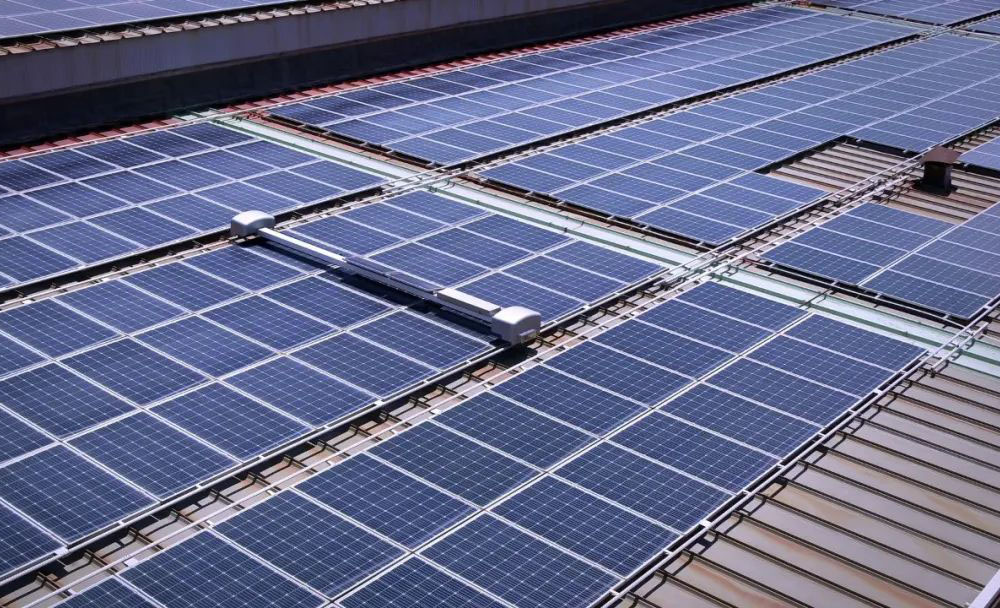
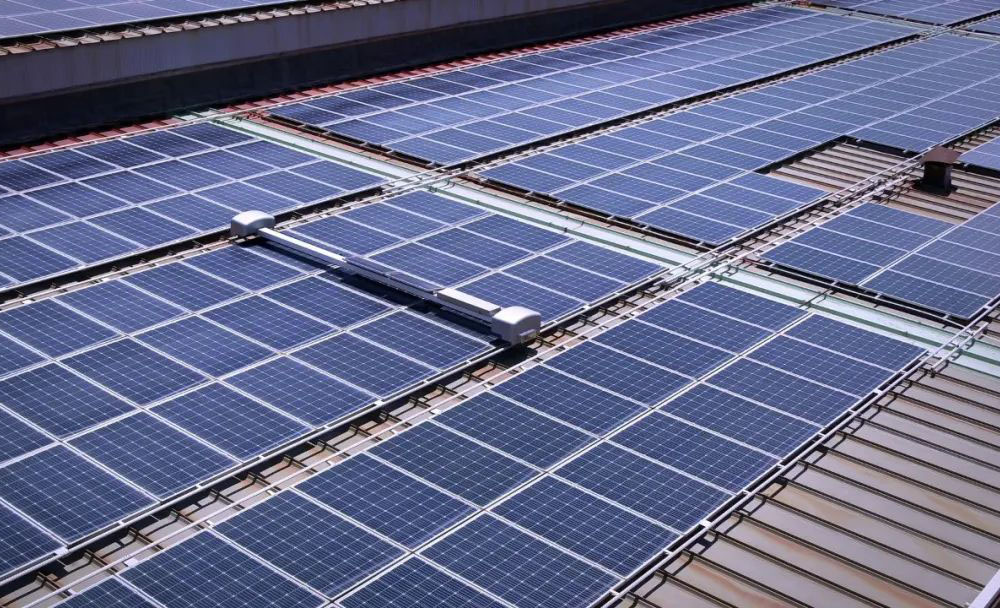 Recently, the trackless photovoltaic module cleaning robot independently developed by the R&D department of Qingtian Technology passed the product type approval review. The first machine will be installed at the photovoltaic power station in Qingtian Technology Park to begin fatigue durability testing. This is also the second module cleaning robot developed by Qingtian Technology.
Traditional photovoltaic (PV) module cleaning methods suffer from significant safety hazards, low efficiency, poor cleaning results, and high labor costs. Long-term manual cleaning can also damage the roof, potentially causing leaks. For some polluting PV projects, installing module cleaning robots has become a new solution to the pollution problem.
Qingtian Technology's trackless cleaning robot uses the frame of its components as its walking track. It consists of a body, drive system, limit wheels, cleaning parts, photovoltaic power system, and control system. It can be applied to cleaning tilted photovoltaic arrays or color steel tile photovoltaic arrays, significantly reducing costs compared to rail-based cleaning systems. The cleaning robot's cleaning frequency can be set as needed, allowing for daily cleaning. After completing a cleaning task, the machine stops in a standby position, and its onboard photovoltaic cells begin charging the lithium battery, awaiting the next run. The machine also features a remote monitoring system, allowing users to view the robot's operating status through a monitoring platform.
In the future, Qingtian Technology will continue to develop cleaning robots for different scenarios to solve the component contamination problem of photovoltaic projects, increase power generation, and maximize the benefits of power plants.